Slint alumni
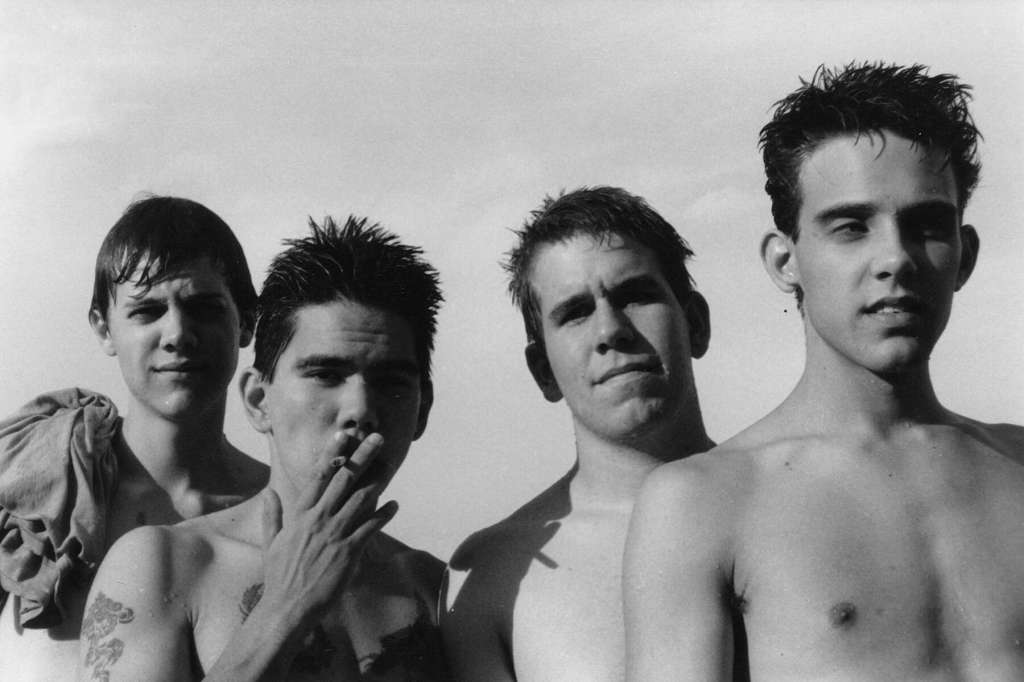
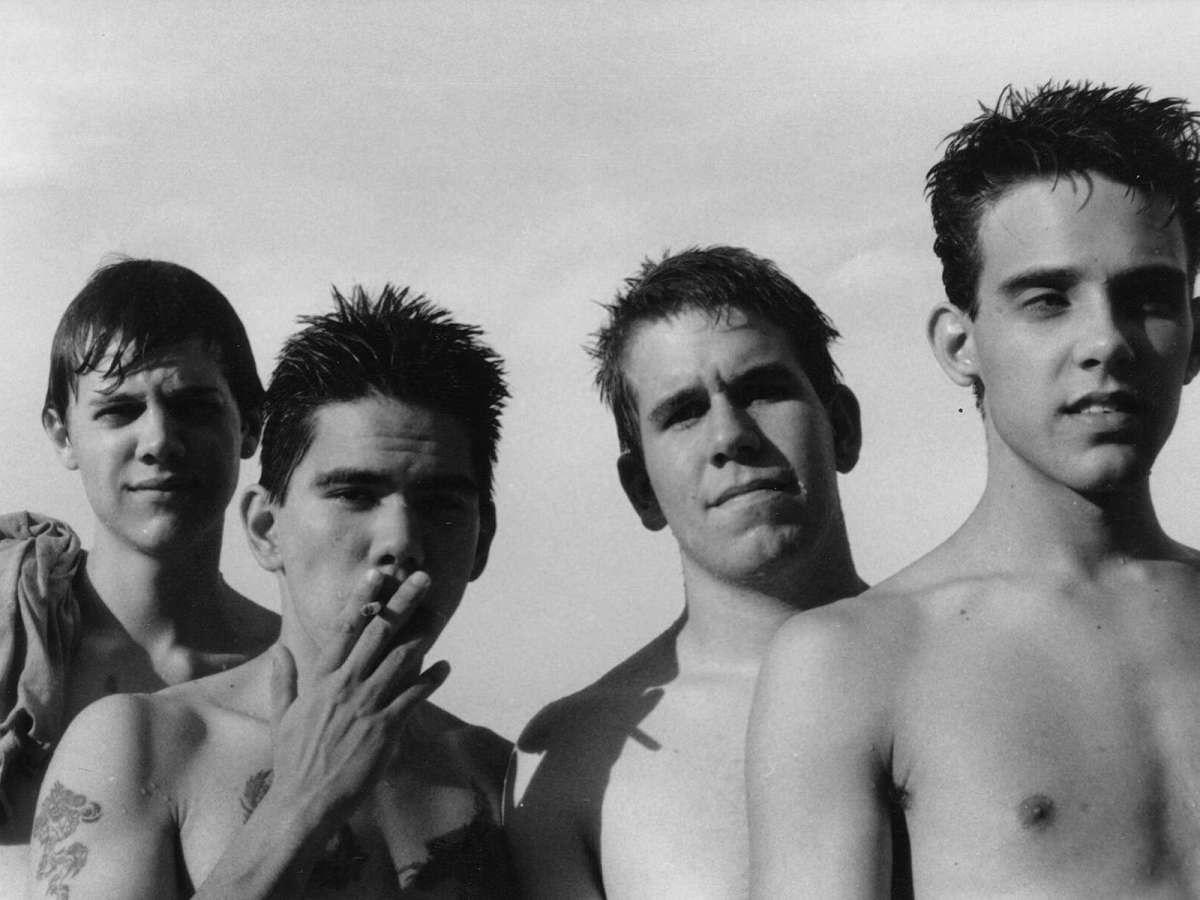
Exhausted Slint’s meagre but brilliant catalogue and desperately want more from the immensely talented guys who made it? Fear not, the mysterious young men all went on to make more essential music. Guitarist David Pajo appears on many records both as a solo artist and as a contributor. Tweez bassist Ethan Buckler had a prolific career in King Kong. Singer/guitarist Brian MacMahan put out three records as The For Carnation and Spiderland bassist Todd Brashear became a video store owner but occasionally popped up on Will Oldham records. Drummer Britt Walford – arguably the principal architect of the sound of Spiderland – played drums on The Breeders’ brilliant Pod and a slew of other recordings, although sadly he has never stepped into the limelight the way he did on Spiderland.
Here are the top five Slint alumni records:
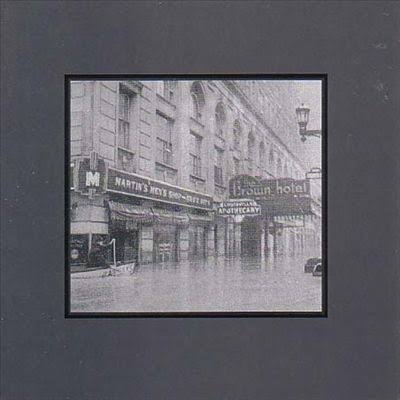
Aerial M, As Performed By Aerial M
1997
After a stint with Tortoise, playing on 1995’s classic Millions Now Living Will Never Die, Slint guitarist David Pajo ventured into quiet, instrumental guitar rock music. This statement in no way does justice to Pajo’s near-reinvention of the guitar with meditative, overlapping, cliché-free guitar lines atop minimal bass and drums. He played every instrument, recorded it himself and even did the artwork. Is it Slint-like? Partly, yes – it’s not too dissimilar to Washer or For Dinner, with its room ambience, non-standard time signatures and interlocking clean guitars. But it also has an airy optimism that is entirely its own. It’s over in 31 minutes, which only seems to make it more precious. The contemporaneous 7″ singles (collected on Hole Of Burning Alms) and Peel Sessions are also essential.
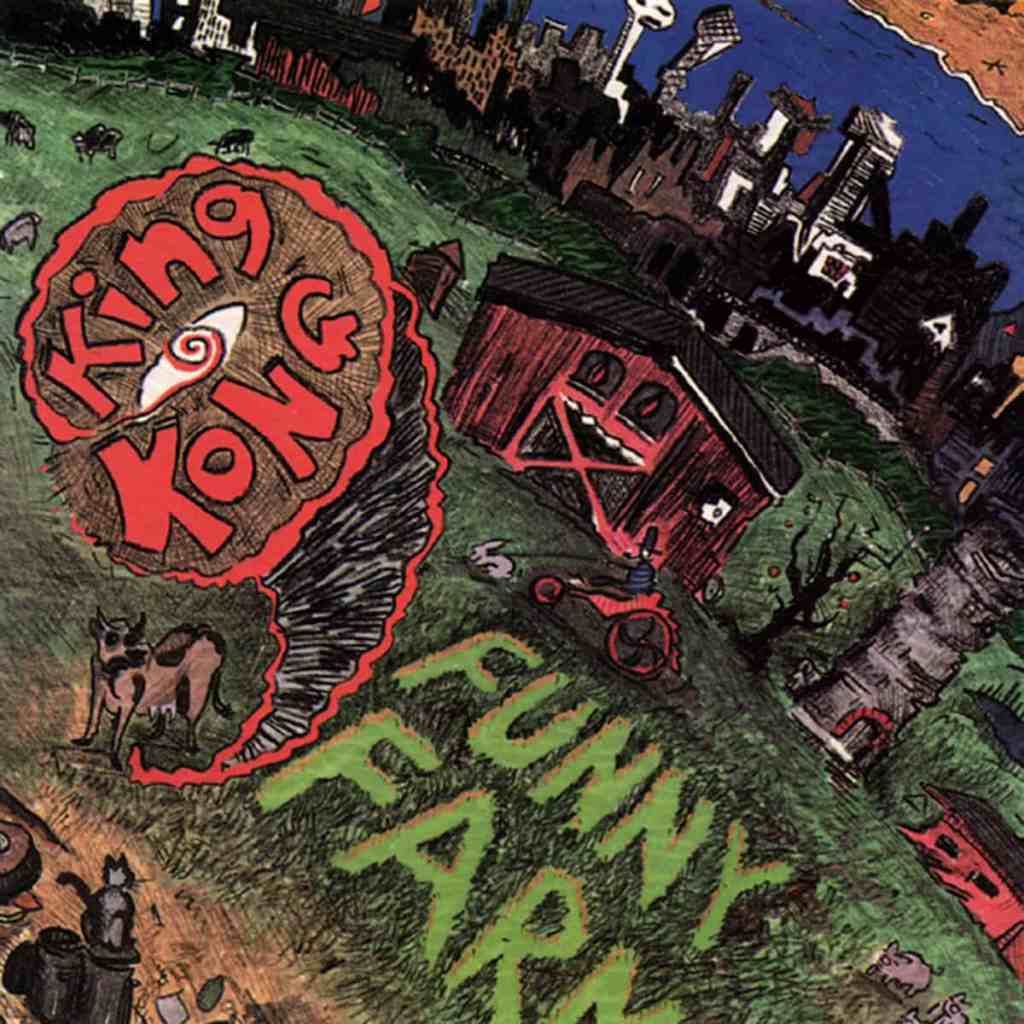
King Kong, Funny Farm
1993
Ethan Buckler left Slint after Tweez, unimpressed with Steve Albini’s production on that album. Rather than get involved in rehearsals for Spiderland, he took a left turn into humorous, primate-related conceptual rock with King Kong. 1991’s Old Man On The Bridge can be a patience-testing listen, but he really hit his stride with 1993’s Funny Farm. If you go into this with no expectations of it sounding like Slint, then it’s an immensely enjoyable record – goofy, laid back funk rock more akin to The B-52s or Meat Puppets circa Up On The Sun. Dirty City Rainy Day and Scooba Dooba Diver are highlights, brimming with good-natured humour and buoyant melodies. It’s also worth checking out the excellent 1989 7″ single Movie Star, which featured members of Slint as the backing band.
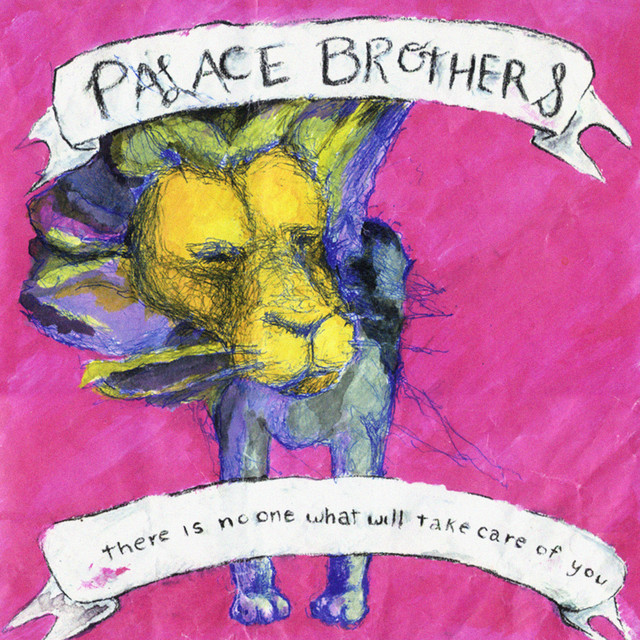
Palace Brothers, There Is No-one What Will Take Care Of You
1993
Will Oldham – who is Palace Brothers as well as Bonnie ‘Prince’ Billy – was a friend of the band and took the photo for Spiderland’s cover. But that’s not why this album is here. Soon after Slint split up, they reunited here to play as Oldham’s backing band/collaborators on his debut album of weird, backwoods folk. Featuring songs about loneliness and incest – including the brilliantly-titled I Was Drunk At The Pulpit – this album was the first of a near decade-long run of great records which established Oldham as a major force in alternative Americana, culminating in the twin peaks of 1998’s I See A Darkness and 2001’s Ease Down The Road. The intimate lo-fi recording here makes you feel like you’re in the room with the band – and it’s both a fascinating document of the birth of a great talent and a testament to the musical versatility of the members of Slint and their friends.
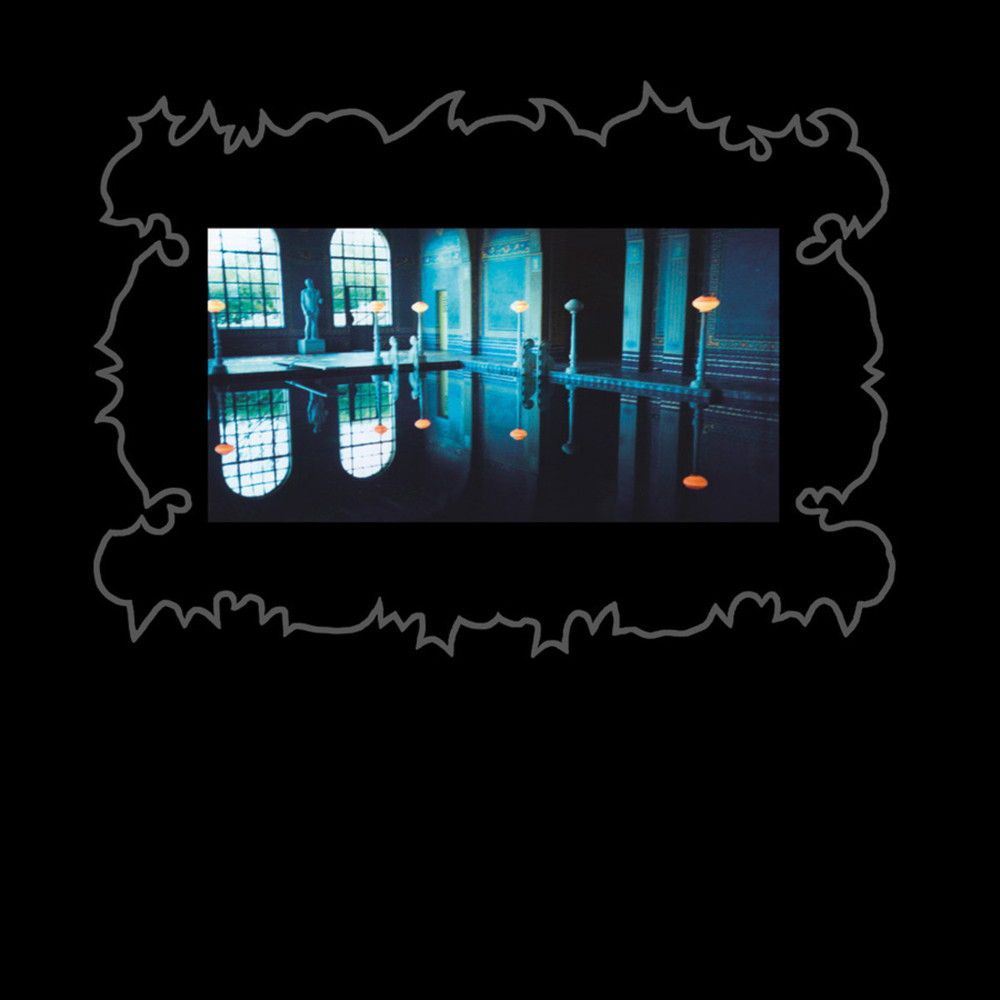
The For Carnation, The For Carnation
1999
The holy grail for Slint fans who want another record that sounds like Louisville’s finest, The For Carnation’s only album is gloomy, executed at a funeral pace and simmers with tension. It’s the moment when Slint vocalist and guitarist Brian McMahan raised his game and made another classic album after two understated but excellent EPs. Memorably described at the time by the NME as sounding like Slint rewired by Massive Attack or King Tubby, this is Spiderland reborn with thick, dubby bass and ghostly electronics. Tortoise’s John McEntire achieves a monumental production sound, keeping the tension high on album highlights A Tribute To and Being Held (which also features Britt Walford on drums) and nudges the band into ambient bliss on epic 9 minute closer Moonbeams. Even Kim Deal makes a brief appearance. A true classic. And that was it from McMahan – sadly, he hasn’t made a record since.
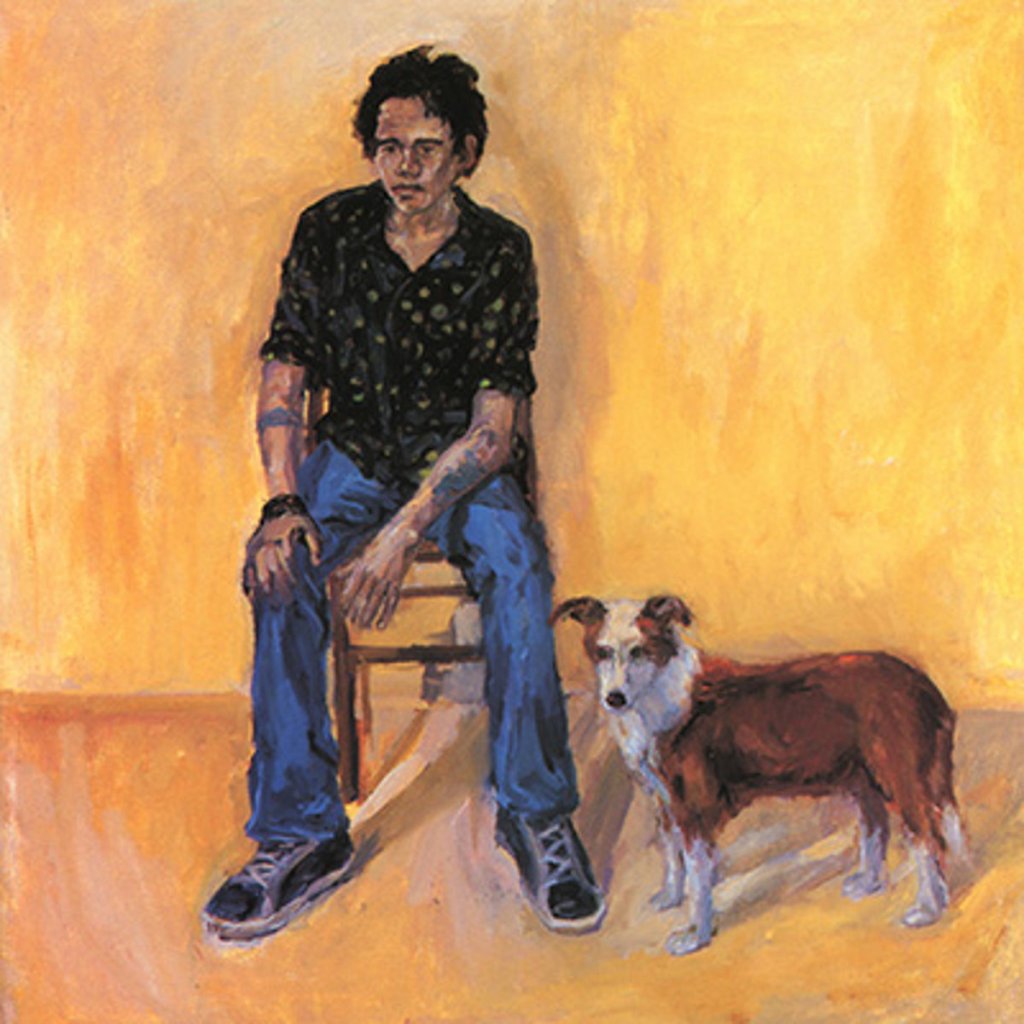
Papa M, Whatever Mortal
2002
By far the most prolific member of Slint, Pajo gets a second entry here for his follow up to the equally brilliant Live From A Shark Cage. You can arguably track the development of US indie rock through Pajo’s career; here he leaves behind the instrumental music which came to be called post-rock to embrace American traditional music. But whereas peers like Will Oldham, Smog and Silver Jews were writing new folk and countryfied classics, on this album Pajo mostly performs traditional songs coloured by his own skewed sense of humour – again playing almost everything himself, with a little help from Britt Walford and Stable Will himself on album highlights Beloved Woman and Roses In The Snow. A home-recorded delight from a guitarist at the peak of his powers – and now singing too.